

Celebrating Pride, Healing Together: The Power of Community
Pride is about more than rainbows – it’s about community. In this post, I’m talking about how LGBTQ+ folks in small towns and rural areas can find (or build) connection and mutual support, even when resources are limited. Explore tips, resources, and a personal reflection on why community matters here in the holler.
Queer Resilience: Finding Strength in the Face of Challenges
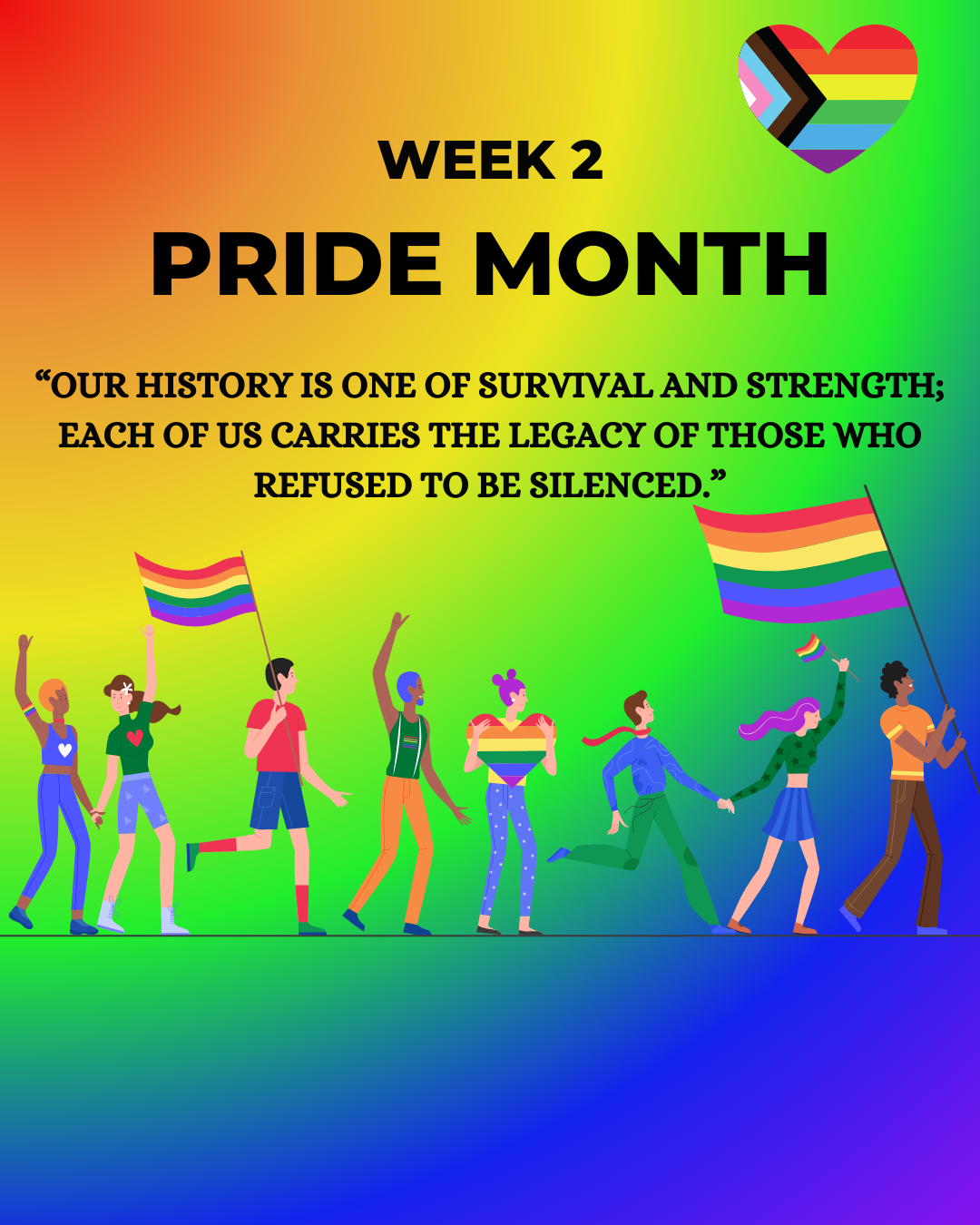
During the second week of Pride Month, we’re taking a close look at queer resilience – how LGBTQ+ folks have historically and personally found strength even when the odds were against them. In this post, you’ll find practical tips from ACT and DBT for managing tough emotions, a tribute to the legacy of Stonewall, and a spotlight on the power of rural queer support networks.
💜 Remember: you’re not alone – and we’re here to remind you of that. Check out the full blog for resources and a personal reflection from the holler!

Pride in the Holler – Honoring Our Roots, Lifting Our Voices
June is here, and with it comes a chance to celebrate Pride in the holler. At Counseling in the Holler, we’re dedicated to lifting up LGBTQ+ voices and making sure everyone feels safe, seen, and valued – no matter how remote our communities may be. In this post, we’re honoring our roots, sharing resources, and talking about what it means to be proud and visible in Eastern Kentucky.

Building a Supportive Community for Mental Well-being
In my final post for Mental Health Awareness Month, I highlight the importance of connection and belonging. A strong support system can make all the difference for those navigating mental health challenges. This week’s blog explores how supportive communities enhance resilience, reduce isolation, and foster healing.

Understanding the Link Between Mental and Physical Health
In Week 4 of Mental Health Awareness Month, we explore how mental and physical health are fundamentally connected. From how stress impacts the body to how chronic illness can influence mental wellness, it’s clear that holistic care is key. This week’s blog dives into why integrated health approaches matter and how you can take small steps to support your whole-person wellness.

Bringing Hope to Those Living with Serious Mental Illness
During Week 3 of Mental Health Awareness Month, we’re focusing on individuals living with Serious Mental Illness (SMI) and Serious Emotional Disturbance (SED). These conditions can significantly affect daily functioning, but with early intervention, person-centered care, and a supportive community, recovery is possible. This week’s blog explores how we can reduce stigma, offer meaningful support, and empower those on the journey to wellness.

Laying the Groundwork for Lifelong Mental Wellness in Children
Strong mental health in childhood lays the foundation for lifelong well-being. As we continue Mental Health Awareness Month, my latest blog explores how parents, educators, and communities can support children’s emotional development. From teaching coping skills to recognizing early signs of concern, we all have a role in building resilient futures for our youth.

Prioritizing Mental Health for Our Aging Population
As we begin Mental Health Awareness Month, it’s time to spotlight the emotional well-being of older adults. With longer lifespans come unique mental health challenges—grief, loneliness, health issues, and life transitions—that are often misunderstood or overlooked. Many older adults suffer in silence, but they don’t have to.
In my latest blog, I explore how you can recognize signs of mental health concerns in aging loved ones, foster open dialogue, and support their emotional well-being through connection and care.

Creating a Safe Space: How to Make Therapy Work for You
Therapy is a powerful tool for emotional healing, but making it work for you requires preparation, openness, and consistency. In this blog, I explore how to create a safe and trusting space for therapy, how to overcome common concerns like nervousness, and the importance of building a strong therapeutic relationship. Learn how to make the most of your therapy sessions and see real, lasting progress in your emotional well-being.

Mind-Body Connection: How Physical Health Impacts Mental Well-being
The mind-body connection is a powerful relationship that highlights how our physical health directly influences our mental wellness. Maslow’s Hierarchy of Needs emphasizes that our physiological needs—such as food, sleep, and physical well-being—form the foundation for higher levels of psychological growth and self-actualization. When these basic needs are met, individuals are better equipped to manage emotions, build resilience, and focus on personal growth. This is especially crucial for individuals in recovery, as stabilizing the body through regular exercise, proper nutrition, and good sleep hygiene provides the groundwork for emotional well-being and long-term healing. In this post, we’ll dive deeper into these areas, exploring the science behind them and how they contribute to a healthier mind and body.